
Live Bale Labs: the evidence behind the bale
A grade on a tag is a claim. Live Bale Labs is where the claim gets checked. It’s the evidence layer of Bale Index: structured observation, material assessment and documented review, tied to the bale and to what happens after it lands. We won’t tell you every bale ends well. Nobody who’s stood on a sorting floor would. What we can do is show the workings: what was sampled, what was seen and what was checked before it counted.
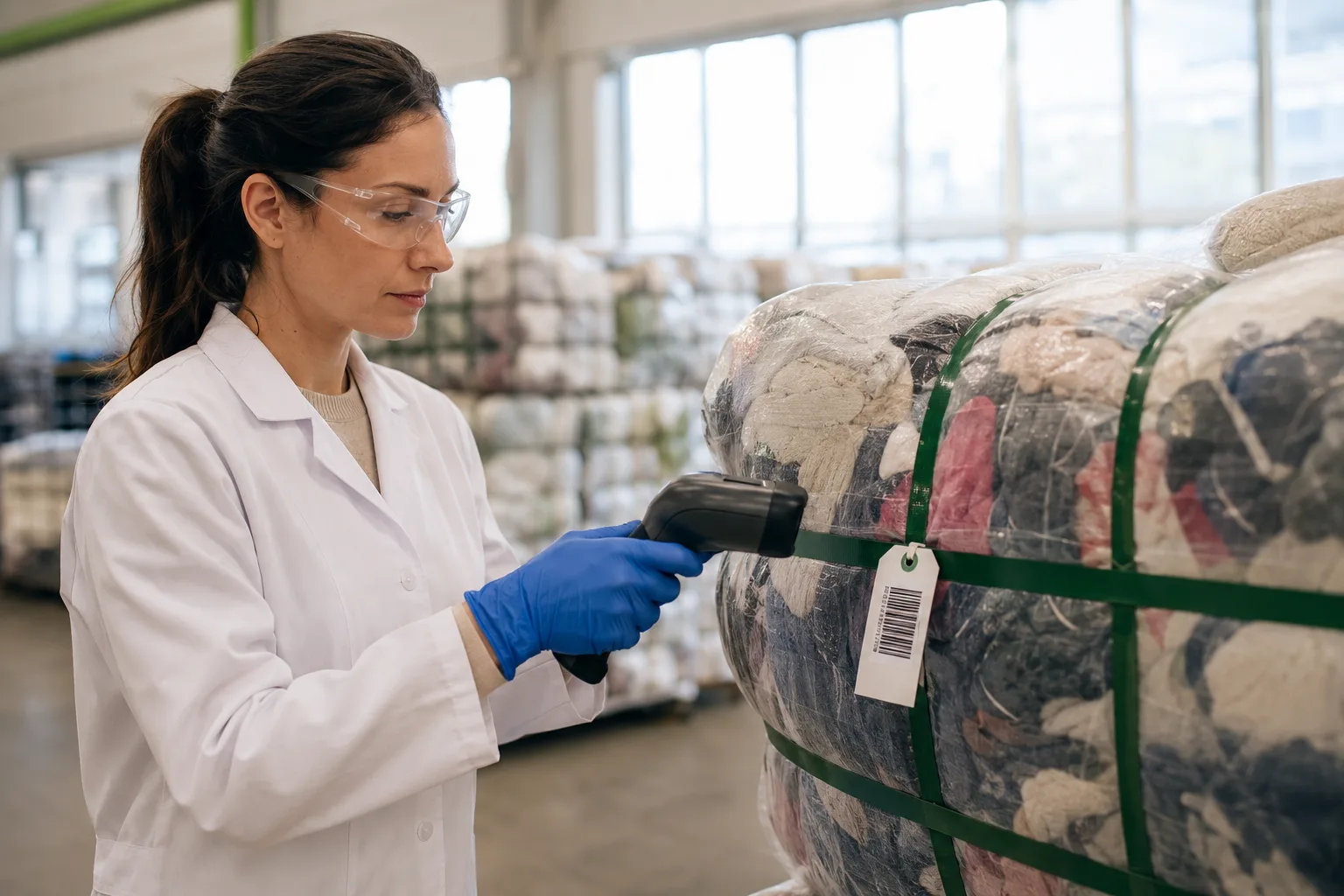
What Live Bale Labs does
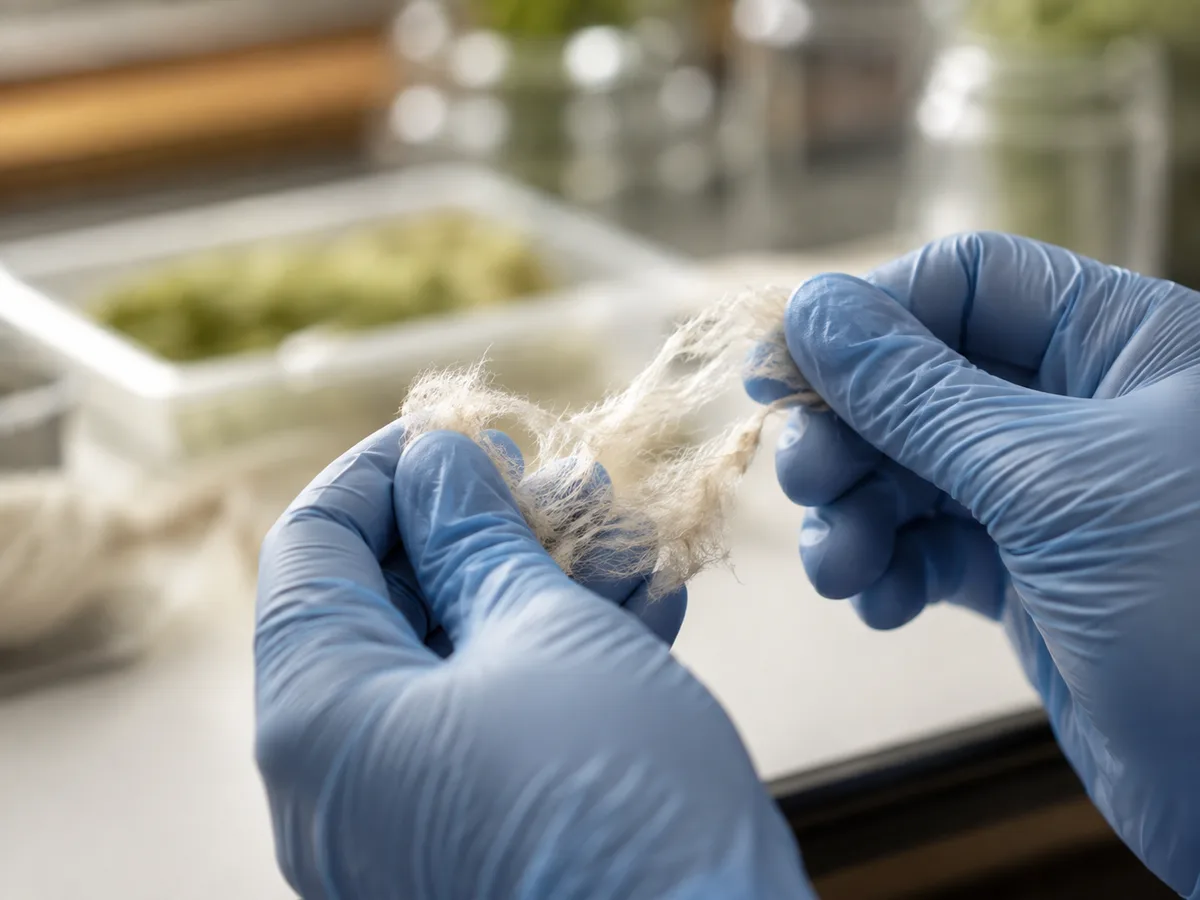
Material characterisation
Identify fibre types and blends to understand what’s in each bale.

Quality checks
Assess condition, grade and reusability to inform value and suitability.
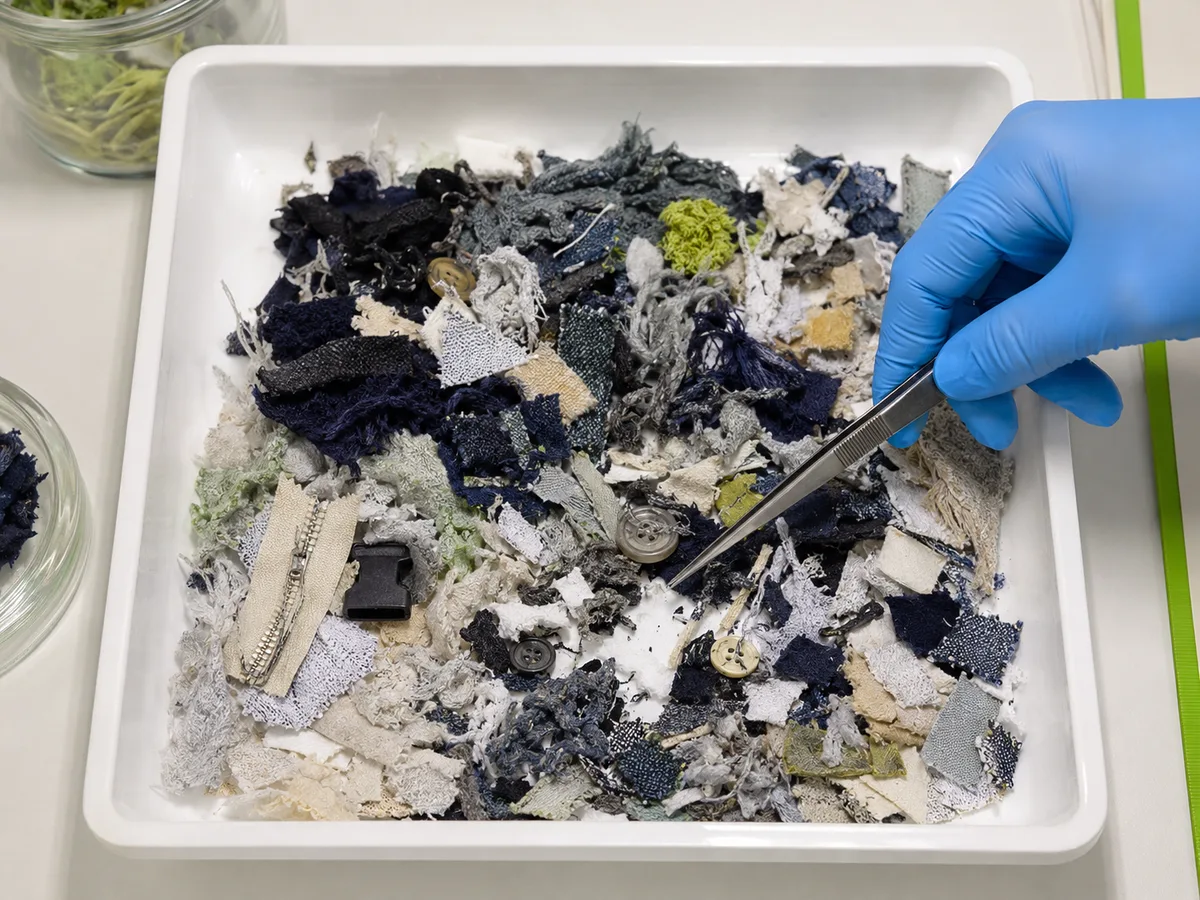
Contamination assessment
Detect and measure contaminants that affect safety, reuse and compliance.
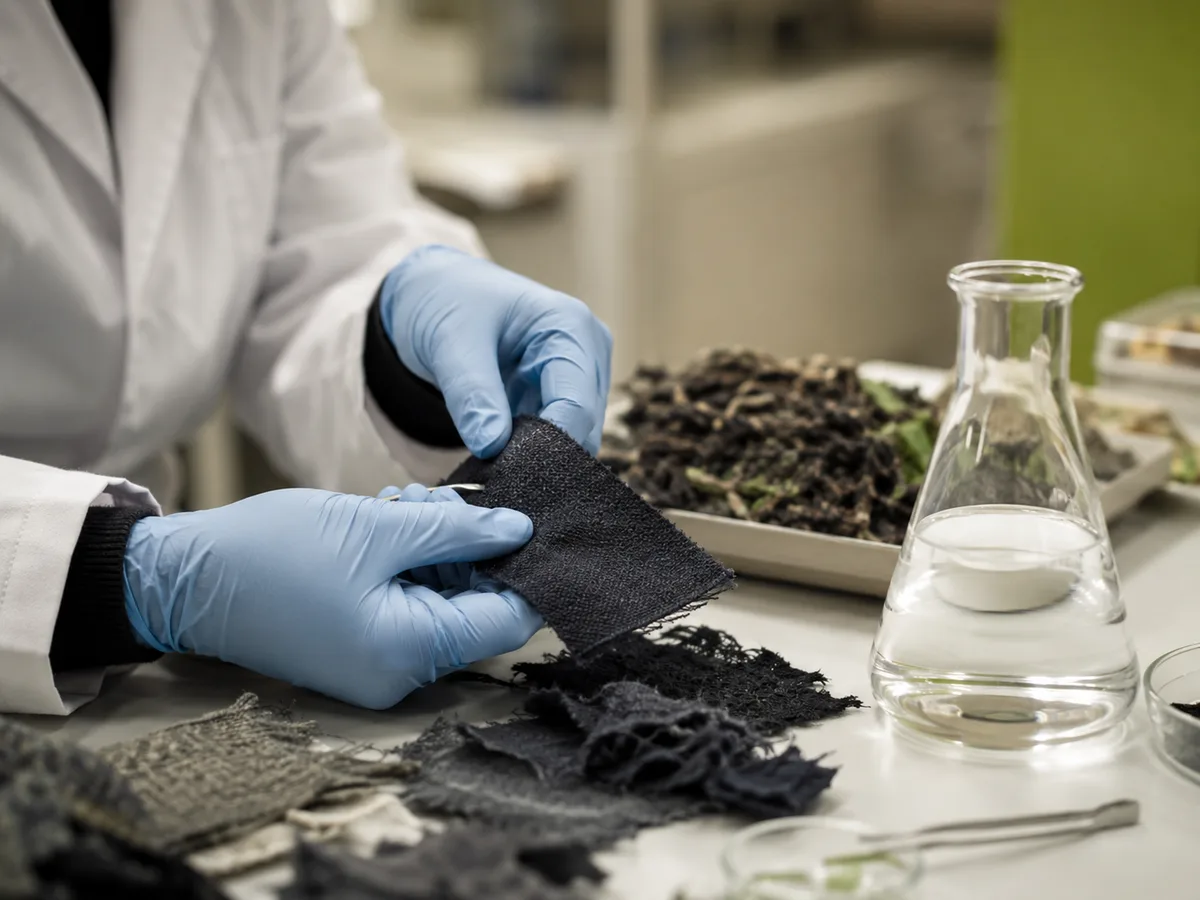
Recovery pathway insight
Evaluate recovery and reuse potential to guide better downstream outcomes.
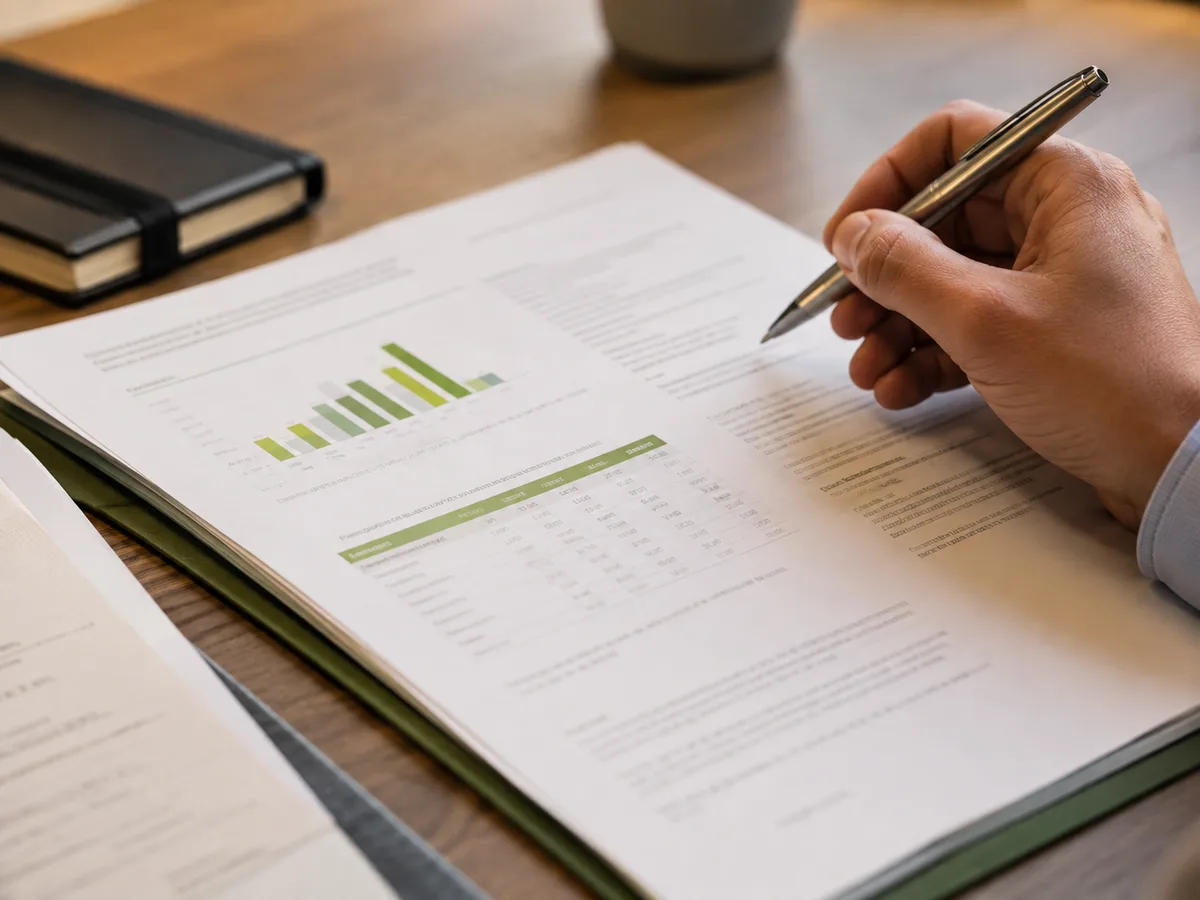
Policy ready evidence
Generate audit-ready, standard-aligned evidence for reporting and policy.
How evidence is captured
 1
1Sample intake
Samples are securely received, logged and chain of custody is recorded.
- 2
Inspection and testing
Visual inspection and lab testing capture composition, quality and contaminants.
 3
3Documentation and review
Results are reviewed by experts and linked to bale IDs and chain of custody.
 4
4Reporting and insight
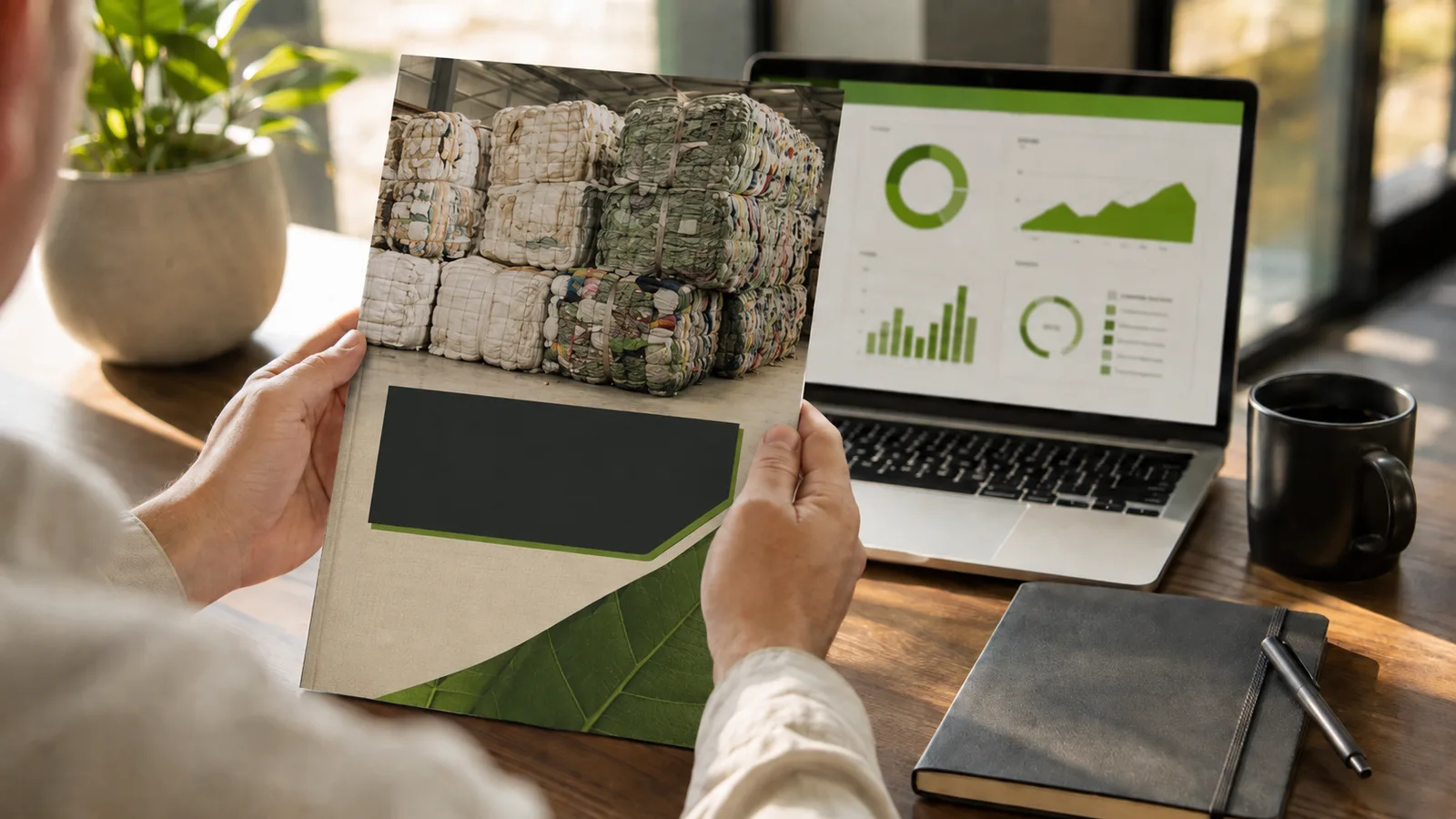
Structured reports and dashboards turn evidence into actionable insight.
What this means in practice
For exporters
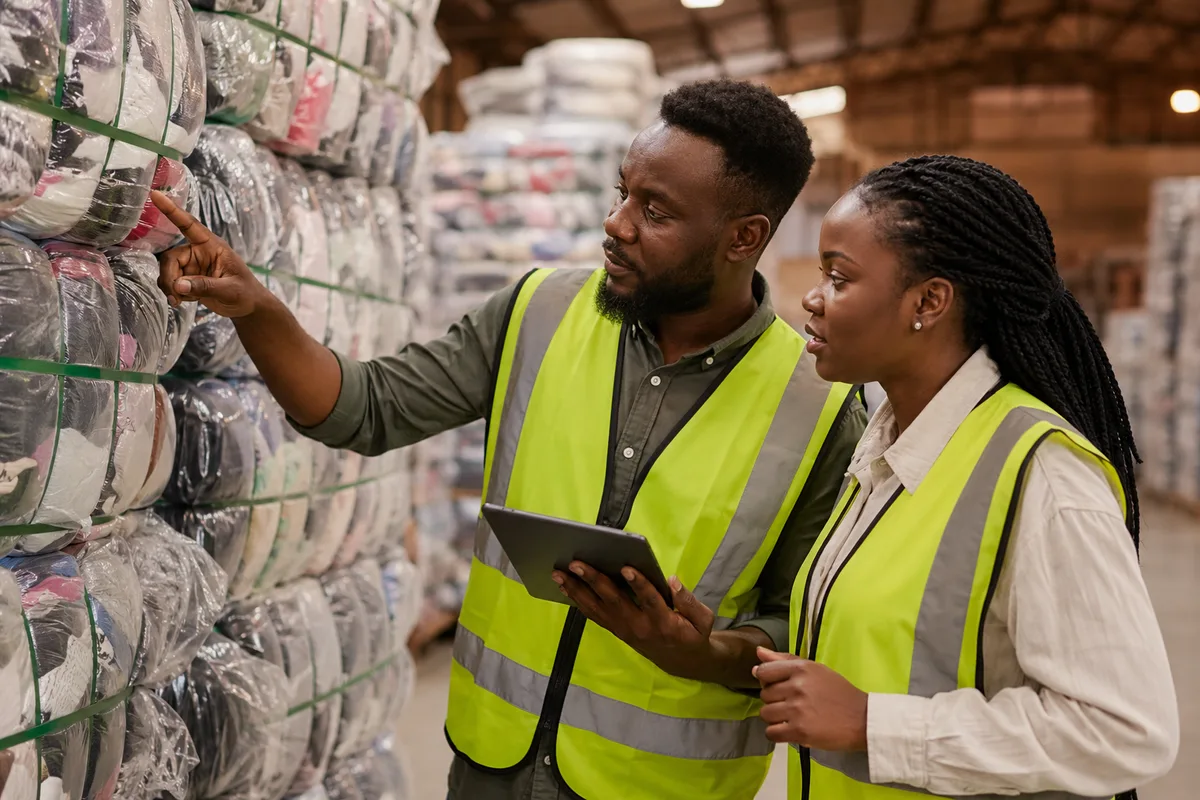
Strengthen credibility with verified bale-level evidence that opens doors to more markets.
For regulators
Access independent, standard-aligned evidence to support compliance and effective policy.
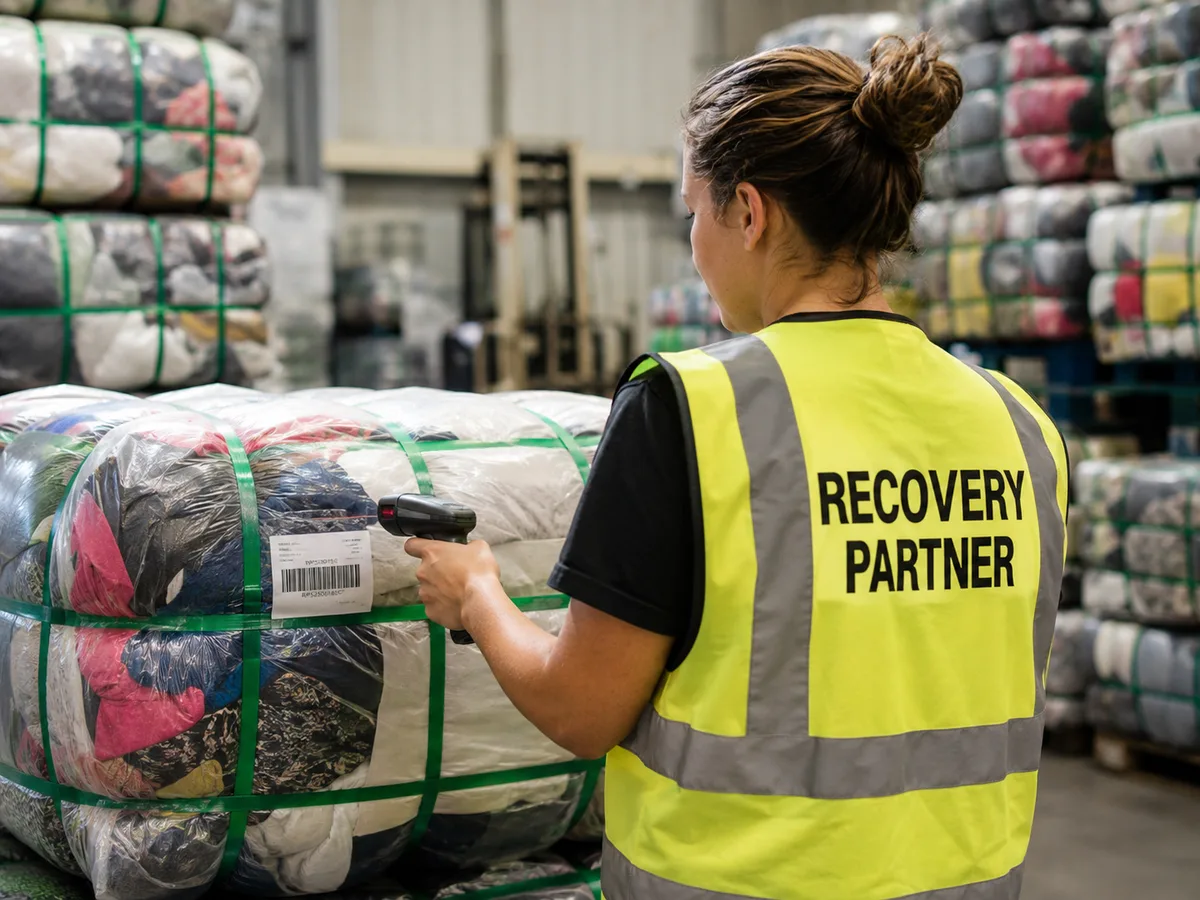
For recovery partners
Understand material quality and risk to improve sorting, recovery yields and reuse outcomes.
The evidence
How the evidence holds up
Live Bale Labs operates to global standards with independent oversight and a clear focus on data integrity.
- IndependentLabs and experts operate independently to ensure impartial evidence.
- Standard alignedMethods follow recognised standards and best practice protocols.
- TraceableEvery result is linked to bale IDs and chain of custody.
- SecureData is protected with strong controls and clear governance.
The outputs
What comes out of Live Bale Labs
- Bale composition evidenceFibre types and blends quantified with test method and confidence.
- Quality observationsCondition, grade and reusability assessed with expert notes.
- Contamination notesContaminant types and levels recorded with impact assessment.
- Recovery potentialReuse and recycling pathways and potential recovery yields.
- Market intelligenceInsights on material flows, quality trends and demand signals.
- Policy insightEvidence summaries that inform policy and standards development.
What does your organisation need to prove?
Every organisation, programme and market has something different to demonstrate. Tell us what yours is and we’ll walk you through how the evidence would be captured, reviewed and reported. A conversation, not a commitment.