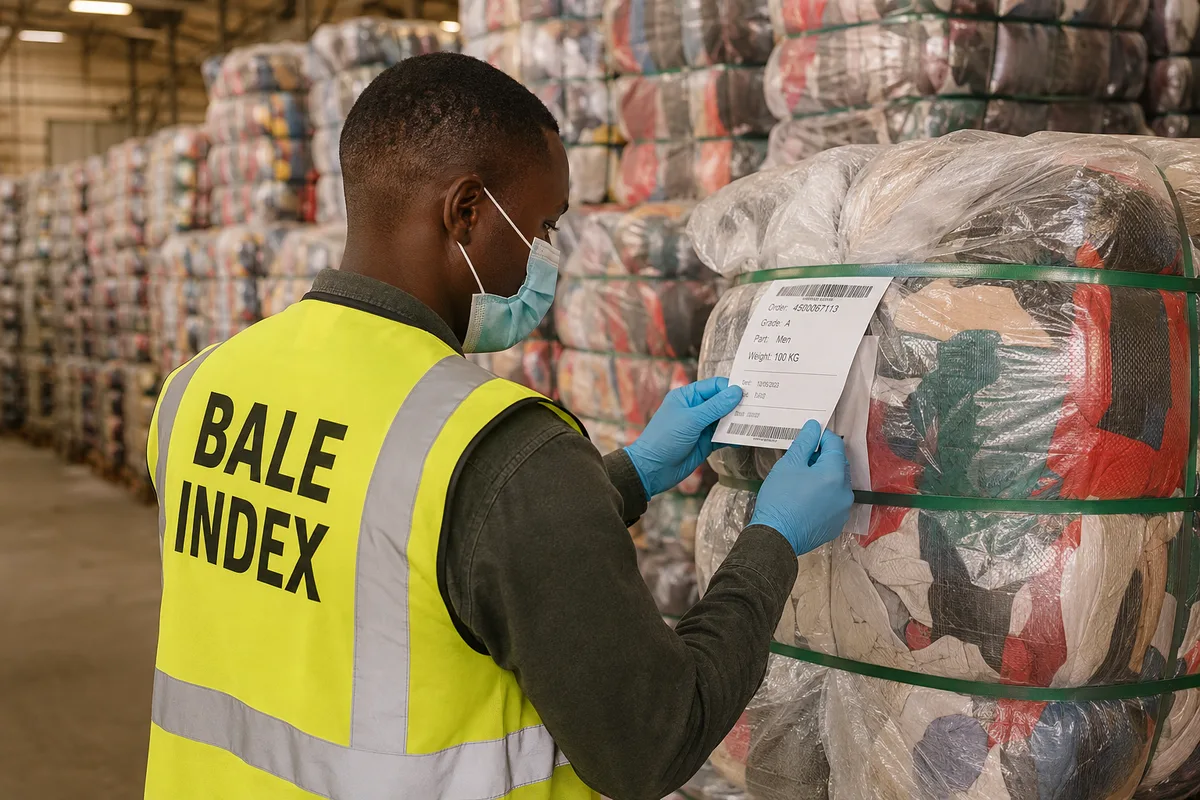
The software

One system. The whole journey in view.

A consignment throws off information at every stage: the registration, the shipment, the evidence, the outcome. Bale Index keeps the approved record of all of it in one place. You sign in and see the information, actions and reports that concern your role. Nothing more, nothing less.

Six features

What the software does
  • Digital registrationSet up your approved organisation profile and log the essentials of each consignment. The record starts before the container does.
  • Shipment trackingFollow each consignment’s status through the agreed trade and market checkpoints.
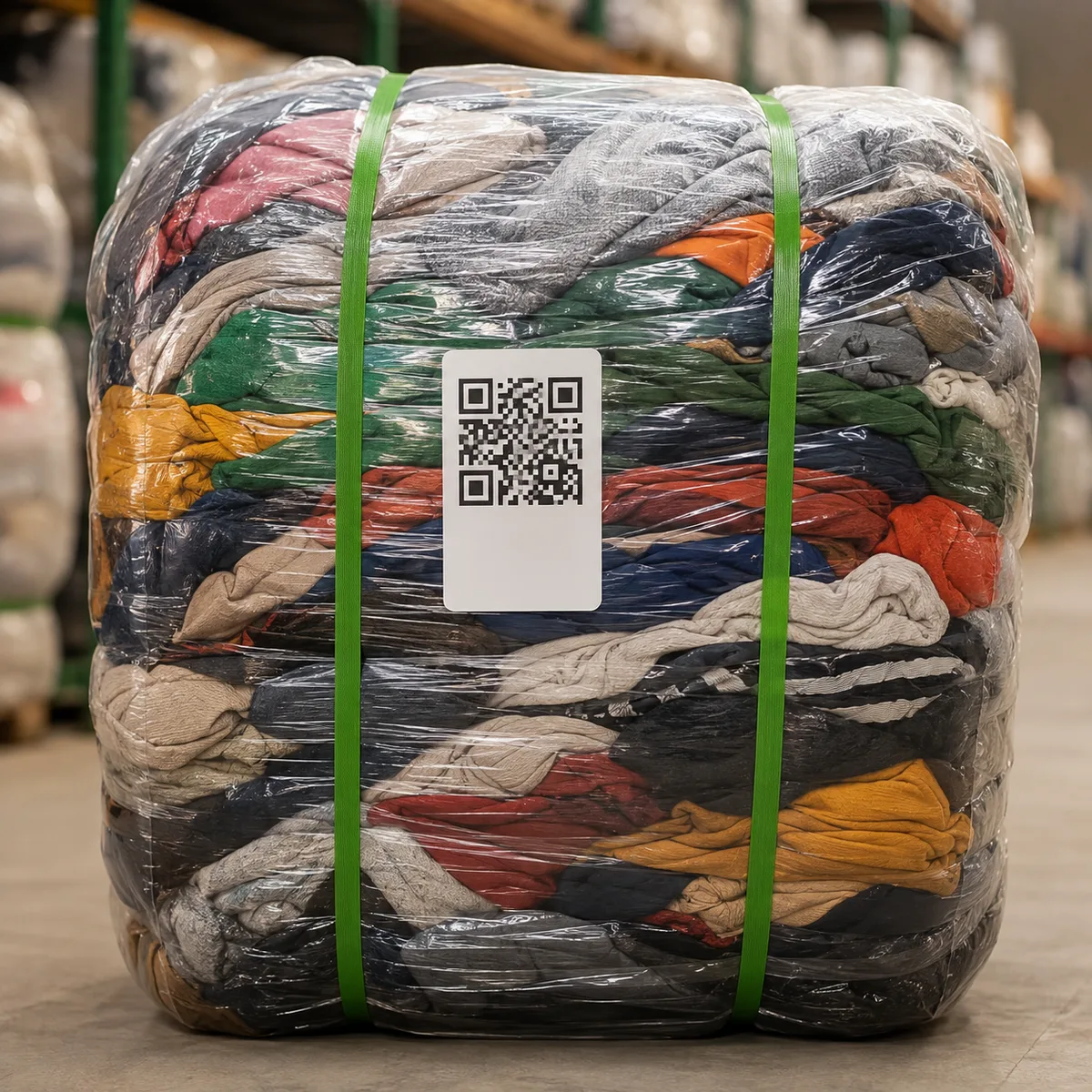
  • Bale Index IDOne identifier per record. It ties the consignment to the authorised information and evidence behind it.
  • Evidence captureUpload or link approved documents, images, observations and findings against the record.
  • Outcome recordingLog what actually happened: reuse, repair, recycling or residual, against the consignment it belongs to.
  • Reporting and insightDashboards and authorised reports matched to your role, for operational, commercial and policy use.
A neat stack of folded second-hand clothes: a terracotta tee, a white cotton shirt, a grey knit jumper and indigo jeans
Behind every record is real material: what a consignment actually holds.

Who it’s for

Designed around real work

  • ExportersRegister consignments, keep your approved records straight and show what happened after the container left the port.
  • ImportersCheck supplier information, watch shipments come in and record what landed.
  • RegulatorsAuthorised evidence and aggregated reporting, designed to support oversight.
  • Market associationsHelp your members take part and follow the market indicators you’ve agreed.
  • Recovery partnersLog recovery work as it’s done and attach the evidence of outcomes.
  • Brands and fundersReview the programme and impact information you’re cleared to see.

Access

Trust and access controls

  1. Role-based accessYou see the functions and information assigned to your role. That’s it.
  2. Verified recordsA record can be reviewed, approved and linked to the evidence that backs it.
  3. Audit historyMaterial actions and changes are kept for authorised review. If a record changes, the change is part of the record.
  4. Anonymised public reportingAnything public is aggregated first, so commercial and personal details stay out of it.

Collaboration

A shared record, with controlled access

The record only works if everyone in the chain can add their part: information contributed, authorised evidence reviewed, outcomes acted on. So that’s how it’s built. What you can see and do is governed by your role, your organisation and the approved use. A shared record isn’t an open one.